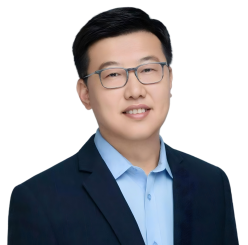
Liquid-Liquid Phase Separation, Protein Aggregation, ALS/FTD, AI-Guided Molecular Therapeutics, Neurodegeneration
yanxiao(at)cimrbj.ac.cn
B.S. in Bioengineering, Zhejiang University, China
M.S. in Biochemical Engineering, Zhejiang University, China
Ph.D. in Biochemistry, Max Planck Institute of Biochemistry, Germany
Work Experience
2026.07-Present
Assistant Investigator, Chinese Institute for Medical Physiology, Chinese Institutes for Medical Research, Beijing, China
2019-2026
Postdoctoral Researcher, Max Planck Institute of Molecular Cell Biology and Genetics, Dresden, Germany
Honors and Awards
2024
Science Fund Program for Excellent Young Scientists (Overseas)
2019
Summa Cum Laude
Research Interests
Research Interests
The Yan laboratory studies biomolecular condensates — dynamic, liquid-like assemblies that cells use to organize RNA and proteins — and how their breakdown drives amyotrophic lateral sclerosis (ALS) and frontotemporal dementia (FTD), two devastating neurodegenerative diseases. We are building a condensate-centric framework for these diseases around four connected questions:
1. Aggregation mechanism. We view protein aggregation not as an isolated event, but as a network-driven process triggered when condensates fail under stress, transitioning from functional assemblies into pathological aggregates.
2. Structural landscapes. We map the structural routes proteins take as they aggregate inside condensates, tracking how disordered and structured regions change conformation en route to pathological states.
3. Condensate pathology. We dissect how this condensate dysfunction mechanistically drives disease onset.
4. Diagnostics and therapeutics. Building on these mechanistic and structural insights, we apply AI-guided protein design toward early diagnosis and therapeutic intervention.
Major Contributions
1. Linked condensate biophysics to ALS/FTD. We discovered intra-condensate demixing as a novel mechanism driving TDP-43 aggregation, revealing a fundamental link between condensate physics and neurodegenerative disease (Cell, 2025).
2. Revealed phase separation as an organelle-building principle. We showed liquid-liquid phase separation drives de novo assembly of β-carboxysomes (Nature, 2019).
3. Defined chaperone mechanisms in protein folding. We uncovered the ring separation mechanism of the GroEL/GroES chaperonin system, a key step in protein folding (Cell, 2018).